Poison Ivy Removal in Philadelphia, PA
Poison ivy removal services focus on safely eliminating this invasive plant from residential properties, including yards, gardens, and wooded areas. These services typically cover projects such as clearing overgrown patches, removing vines from trees and structures, and restoring safe outdoor spaces for families and pets. Property owners often seek this service to prevent skin irritation, allergic reactions, and to maintain the aesthetic appeal of their landscape. Before requesting poison ivy removal, homeowners should understand the extent of the growth, the location of the plants, and any potential hazards involved in the removal process.
Understanding the scope of the project is essential for property owners considering poison ivy removal. It’s important to identify whether the plants are growing near or on structures, trees, or in hard-to-reach areas, as this can influence the approach taken. Property owners should also inquire about the methods used to ensure complete removal and prevent regrowth. Clear communication about the area to be treated and any safety precautions can help ensure the process is effective and safe for everyone involved.
Many property owners in Philadelphia, PA look into Poison Ivy Removal for repairs, replacements, upgrades, and appearance-related improvements.
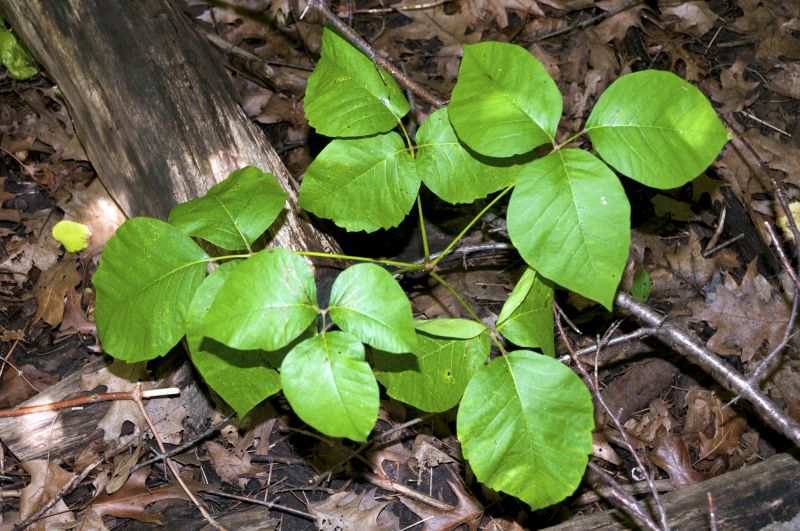
Identifying Poison Ivy
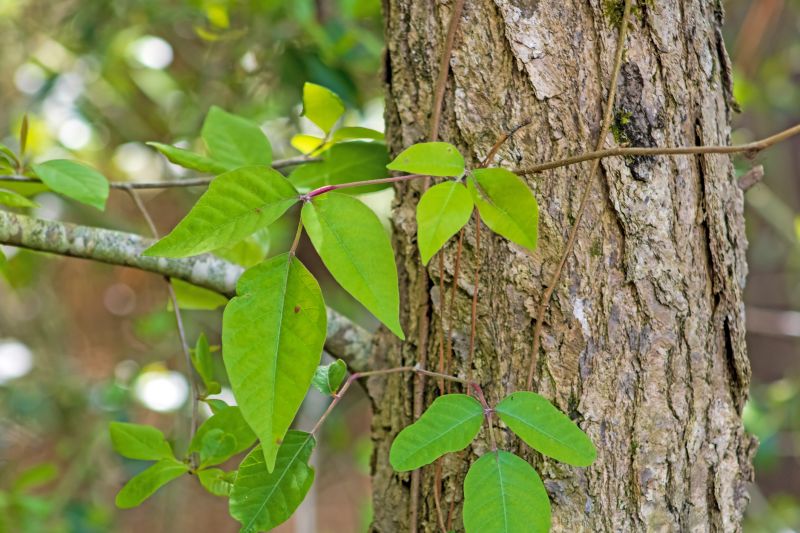
Recognizing poison ivy growth on residential and commercial properties in philadelphia.
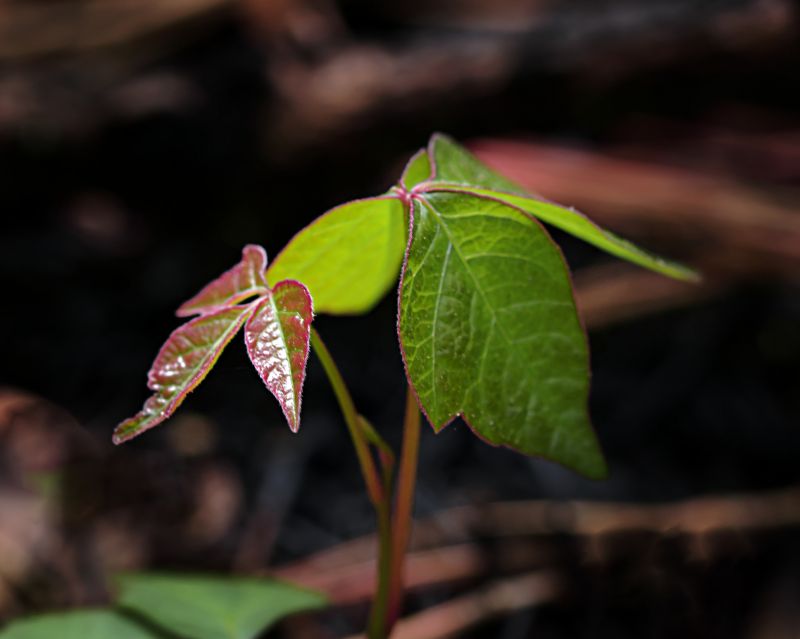
Safe Removal Techniques
Effective methods to eliminate poison ivy while protecting surrounding plants and landscaping.
Preventing Future Growth
Strategies to keep poison ivy from regrowing and maintaining a safe outdoor environment in philadelphia.
Poison Ivy Removal in Philadelphia, PA

Poison ivy removal services focus on safely eliminating this invasive plant from residential properties, including yards, gardens, and wooded areas. These services typically cover projects such as clearing overgrown patches, removing vines from trees and structures, and restoring safe outdoor spaces for families and pets. Property owners often seek this service to prevent skin irritation, allergic reactions, and to maintain the aesthetic appeal of their landscape. Before requesting poison ivy removal, homeowners should understand the extent of the growth, the location of the plants, and any potential hazards involved in the removal process.
Understanding the scope of the project is essential for property owners considering poison ivy removal. It’s important to identify whether the plants are growing near or on structures, trees, or in hard-to-reach areas, as this can influence the approach taken. Property owners should also inquire about the methods used to ensure complete removal and prevent regrowth. Clear communication about the area to be treated and any safety precautions can help ensure the process is effective and safe for everyone involved.
Many property owners in Philadelphia, PA look into Poison Ivy Removal for repairs, replacements, upgrades, and appearance-related improvements.
Common Poison Ivy Removal Jobs
Poison Ivy Removal - Safe elimination of poison ivy from lawns, gardens, and wooded areas.
Yard Clearing - Removal of poison ivy plants to restore safe outdoor spaces.
Brush and Shrub Clearing - Clearing overgrown areas with poison ivy growth.
Property Maintenance - Ongoing removal to prevent poison ivy from spreading.
Landscaping Services - Incorporating poison ivy removal into garden and yard design.
Emergency Poison Ivy Removal - Rapid response for urgent poison ivy removal needs.
Poison Ivy Removal Questions
What is poison ivy removal? Poison ivy removal involves safely eliminating the plant from residential or commercial properties to prevent skin irritation and environmental spread.
When should poison ivy be removed? Removal is recommended whenever poison ivy plants are discovered in areas accessible to people or pets, especially in high-traffic outdoor spaces.
What areas are commonly treated for poison ivy? Common treatment areas include yards, gardens, fences, and around outdoor structures where the plant has taken root.
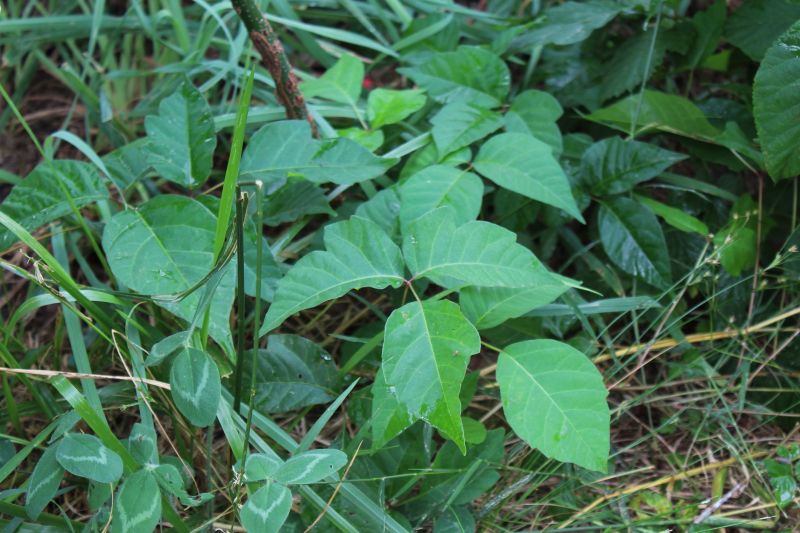
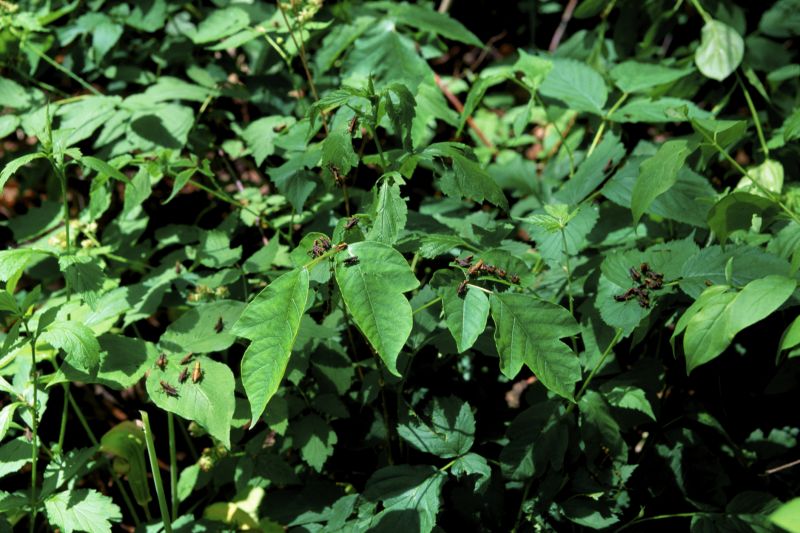
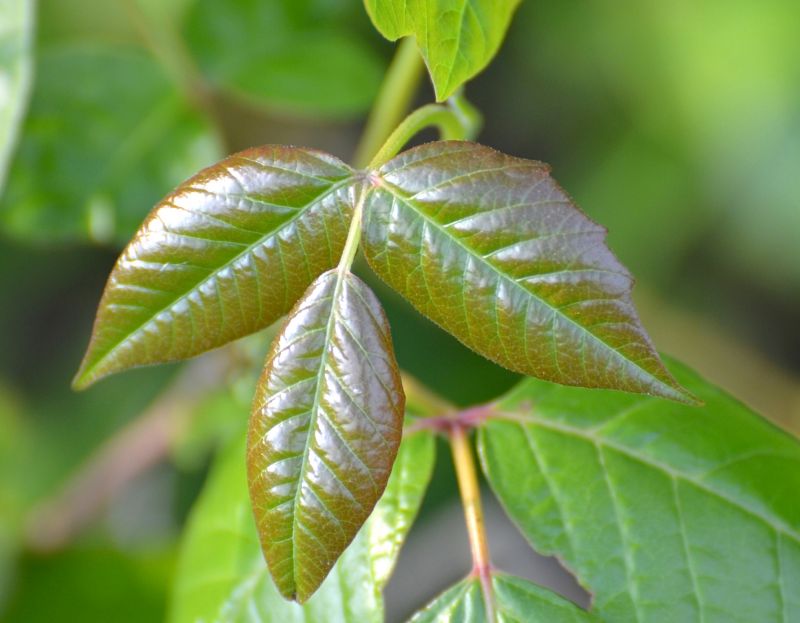
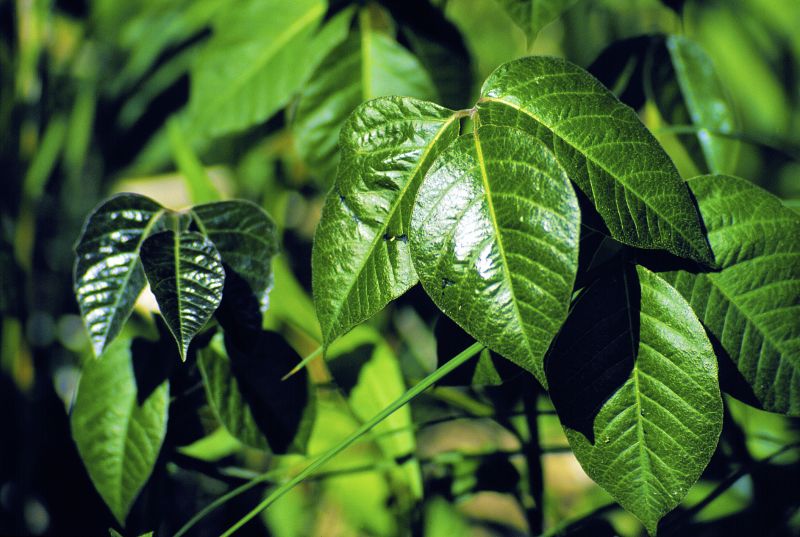
How can poison ivy be identified? Poison ivy typically has three leaflets with a shiny surface and can vary in color from green to red, especially in fall. Identification is important before removal.
Request Poison Ivy Removal in Philadelphia, PA
Use the quote form on this page to share the basics of your project and request more information for the type of work you need.